
Toxic exposure in the military: Chromium-6 and the National Guard

Recently, we've written about toxic exposure risk activities (TERA) and also provided an update on how these claims are gaining traction with the VA. Due to increased amounts of research, awareness, and VA updates around military toxic exposures, policy momentum has been growing when it comes to VA disability benefits claims.
Veterans who have experienced toxic exposure risk activities during their time in the military should be familiar with different exposure examples and how they can impact VA disability benefits claims.
This week, we're focusing on a common example of toxic exposure in the military: Chromium-6 exposure among members of the National Guard.
Here's what veterans should know:
First, a refresher on toxic exposure risk activities (TERA)
Toxic exposure risk activities are military activities such as combat or training that have exposed veterans to toxic and harmful substances. Common examples of TERA in veterans can include:
Air pollutants (burn pits, fires, asbestos, mustard gas)
Chemical exposure (Agent Orange, pesticides, and herbicides)
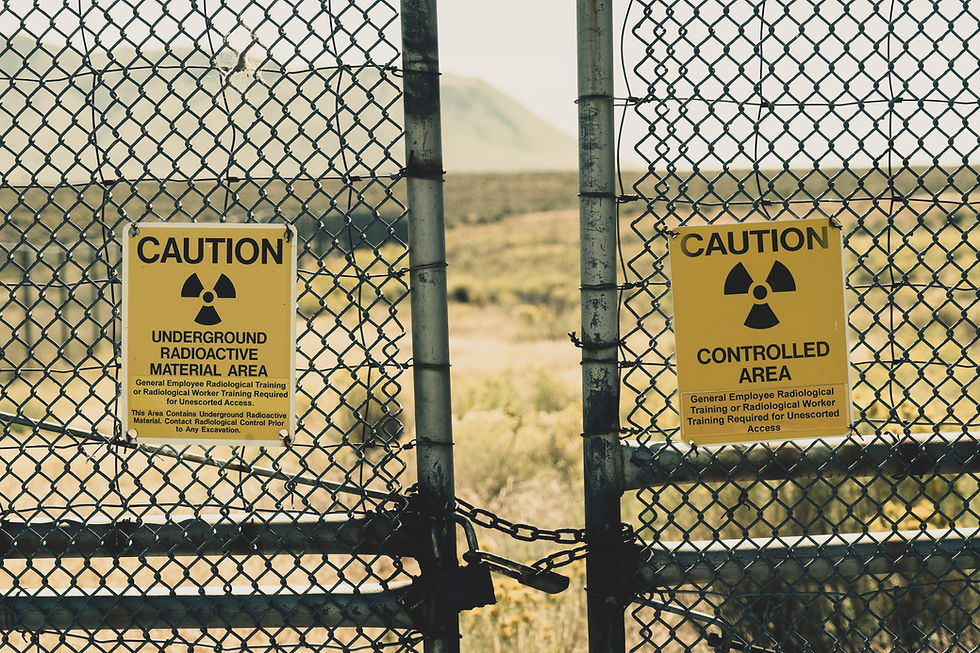
Radiation exposure (nuclear weapons handling, radioactive materials, x-rays)
Contaminated water
Biological weapons
The VA recently updated locations that are associated with TERA, making it simpler to prove service-connection to the VA. Just remember, TERA exposures aren't presumptives – you don't automatically qualify just because you were in a certain location. You still need medical evidence to back everything up.
What is Chromium-6?
Chromium-6 is a highly toxic chemical compound originating from industrial applications. It's the most toxic form of the metal chromium, often used for metal plating, cooling systems, and corrosion control. It has been proven to damage the respiratory system, liver, skin, and kidneys and is also a known carcinogen that causes cancer.
How National Guard members may have been exposed to Chromium-6
The National Guard places members in different environments compared to other active duty members of the military, such as natural disaster areas and places with civil unrest within domestic regions. Chromium-6 exposures to National Guard members have been documented in the following settings:
Water systems
Emergency response missions
Industrial settings and training sites
Maintenance facilities with aging infrastructure
It's common for exposures to go undocumented for long periods of time, especially since National Guard members rotate between military service and civilian life. Symptoms can be misinterpreted as other illnesses, leading to improper dismissals as unrelated to military service.
Health conditions linked to chromium-6 exposures
There are several parts of the body that can be negatively affected by exposure to chromium-6. A range of symptoms and diagnoses have been reported, including:
Chronic respiratory conditions such as asthma or bronchitis
Gastrointestinal issues
Skin rashes or ulcers
Kidney or liver issues
Cancers, most likely lung or sinus
Since many of these conditions develop gradually over time, it can be difficult to prove your condition to the VA, especially if you have gaps in care. But the good news is, it's not impossible – and with the right medical documentation it is fully possible to prove your service-connection to the VA.
Your medical history, our support and expertise
At MRPY Professional Services, we help veterans prove their conditions to the VA through Nexus Letters, DBQs, and other additional claim-boosting services that make a difference.
Ready to work together? You can get started by signing up for a Medical Evidence Assessment. This is where every veteran begins.
If you'd like to learn more first, you can see our full list of services here. Our professional medical experts are ready to help you get exactly what you need without all of the confusion.



Comments